
WATER TREATMENT 101

Understanding Your Water Treatment Options

Water treatment isn’t one-size-fits-all. A system designed to reduce hardness works differently from one designed to filter chlorine, sediment, iron, or dissolved substances.

At Kinetico of OKC, we start by understanding your home’s water and then match the appropriate treatment technology to the conditions we find.

Here’s a straightforward look at how the most common residential water treatment systems work.

How Common Water-Treatment Systems Work

Different water concerns call for different treatment methods. Here’s a simple overview of how common systems work and when they’re typically used.
Water softening

How Water Softeners Work

Hard water contains dissolved minerals, primarily calcium and magnesium. These minerals can contribute to scale on fixtures, spots on glassware, soap scum, and mineral buildup in water-using equipment.

Water softeners typically use a process called ion exchange.

As hard water passes through the softener's resin bed, calcium and magnesium ions are exchanged for sodium ions. Once the resin reaches its treatment capacity, the system regenerates using a brine solution so the resin can continue softening incoming water.

Kinetico offers several water-softening options, including Premier XP®, Premier XP Q850 Combination Systems, and Powerline™ PRO, allowing treatment to be matched to different household and water-quality needs.

Explore Water Softeners
Water filtration

How Water Filtration Works

Water filtration uses specialized media to reduce specific substances as water passes through the system.

The appropriate filter depends on the problem.

For example:

Sediment filtration can capture suspended particles.
Activated carbon filtration can reduce chlorine and associated taste and odor.
Specialized iron filtration can address applicable iron conditions.
Other filtration media can be selected for specific water-quality concerns.

That's why identifying the problem comes before selecting the filter.
Explore Water Filtration
Reverse osmosis

How Reverse Osmosis Works

Reverse osmosis, commonly called RO, provides advanced treatment primarily for drinking and cooking water.

During reverse osmosis, household water pressure moves water through a semi-permeable membrane. The membrane allows treated water to pass while rejecting many dissolved substances, which are carried away through a separate drain stream.

A complete RO system can also include prefilters, postfilters, and specialized treatment stages.

Kinetico of OKC offers drinking-water options including the K5 Drinking Water Station®, HYDRO® ECO™, and AquaKinetic® A200.
Explore Reverse Osmosis Systems

How Kinetico's Non-Electric Technology Works

One of the distinguishing characteristics of many Kinetico systems is non-electric operation.

Applicable Kinetico water softeners use the movement of water itself to power system operation. Instead of relying on an electronic timer, the system measures actual water usage and regenerates when necessary.

Kinetico's multi-tank Premier systems can also keep treated water available while another tank regenerates.
Not every Kinetico product is non-electric—for example, certain newer drinking-water technologies use electricity for their advanced features—so system features should always be evaluated by specific model.
Residential water treatment equipment installed in a utility space

Which Type of Water Treatment Do I Need?

That depends on what your water needs.
If You're Experiencing
Treatment That May Be Considered
Hard-water scale and spotting
Water softening
Chlorine taste or odor
Carbon filtration
Visible particles or sediment
Sediment filtration
Iron staining
Appropriate iron treatment
Drinking-water concerns
Reverse osmosis or targeted filtration
Multiple water problems
Combination treatment
These are starting points, not diagnoses.
Similar symptoms can have different causes, and the appropriate equipment depends on actual water conditions.

Why We Test the Water First

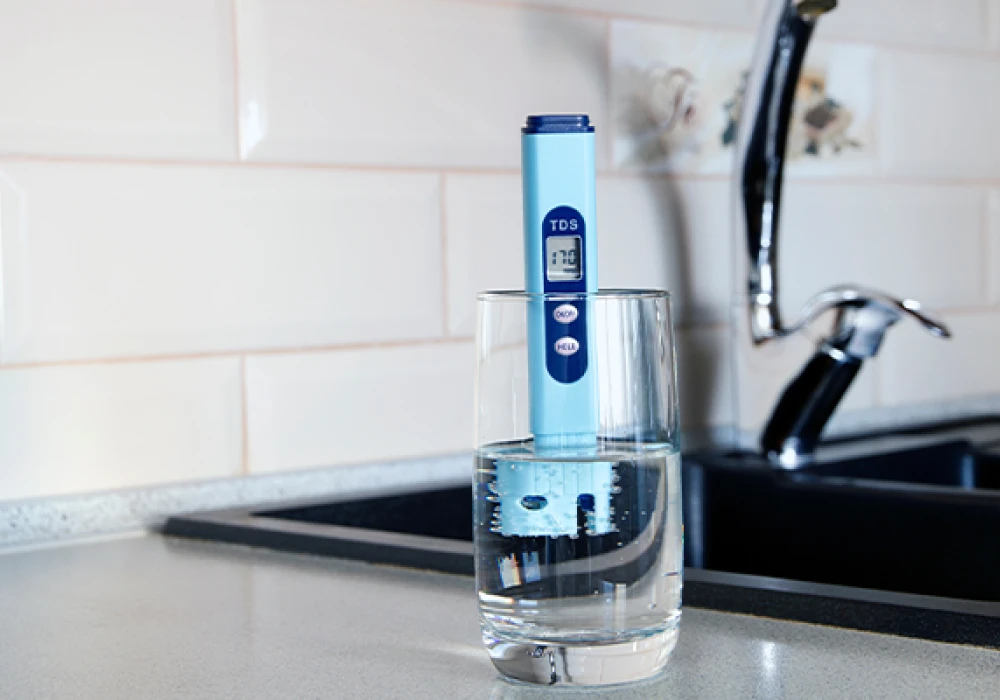
Start With a Water Test

Understanding what’s in your water helps us identify the problem before recommending treatment.

Identify the Problem

We look at your water conditions to determine whether softening, filtration, or another treatment makes sense.

Consider Your Home

Household water use, plumbing, water source, and existing equipment can all affect which system is appropriate.

Select and Size the System

Once we understand your water and household needs, we can recommend and properly size the right treatment.

Keep It Performing

Proper installation and ongoing maintenance help your water treatment system perform as intended over time.

Water Treatment Made Simple

You don’t need to be a water-treatment expert. Kinetico of OKC can identify your water concerns and explain the right treatment options in plain language.